
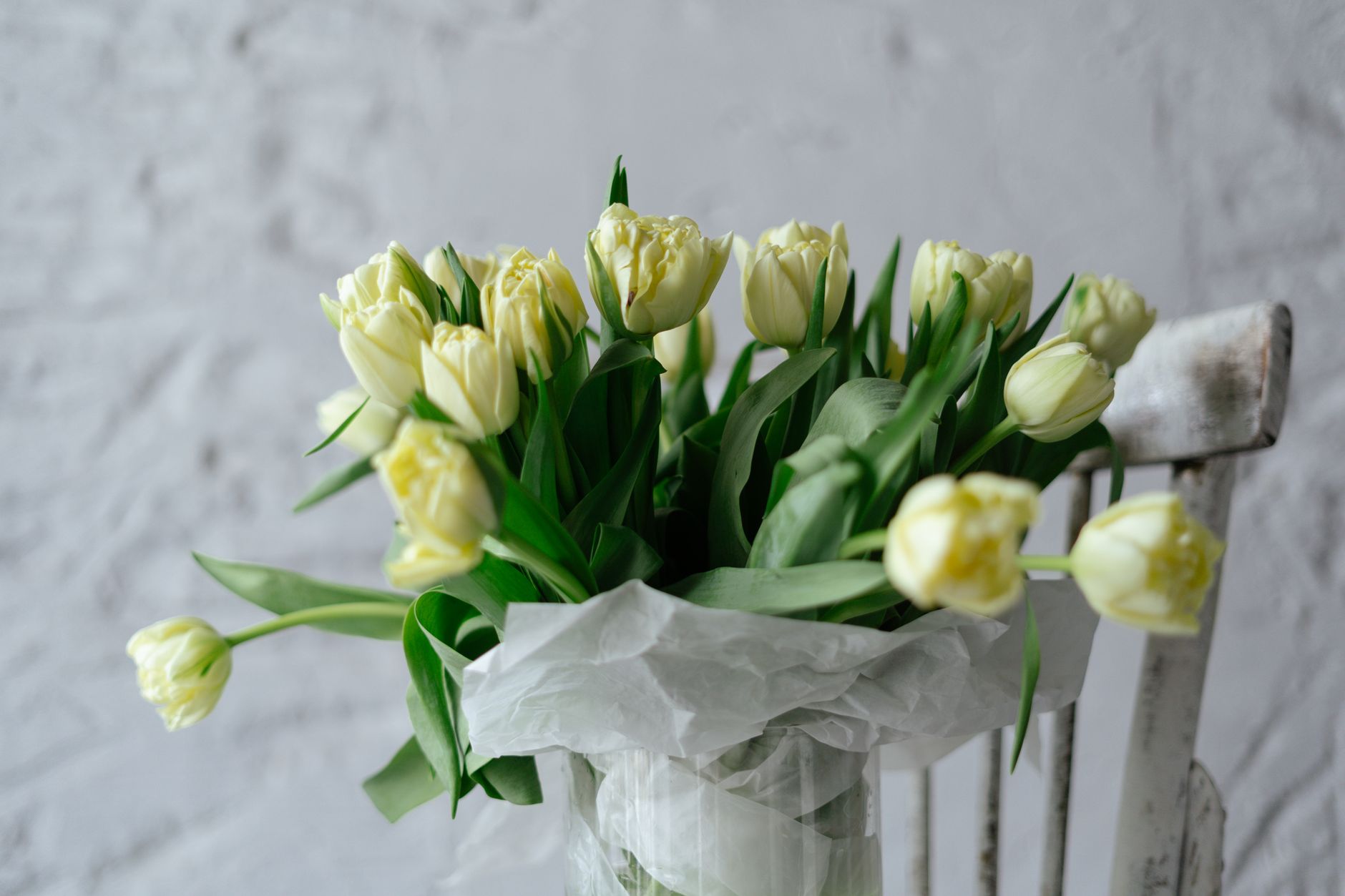
One of the most common customer questions is some variation of: “How long will these last?” And the honest florist answer is: it depends wildly on the flower.
Some blooms are marathon runners. Others are spectacular sprinters. A few are basically beautiful little chaos agents that arrive gorgeous, peak fast, and then start making emotional demands by day three. This is normal. Flower longevity is not a morality test. It is biology.
🌱 Vase Life Starts with the Flower’s Nature
Different flowers are built differently. Some have woody or sturdy stems, lower water demand, and petals that hold shape for days. Others have soft tissue, huge bloom heads, or fast opening cycles that make them more fragile once cut.
That is why carnations, alstroemeria, chrysanthemums, and many orchids often last impressively long, while tulips, daffodils, hydrangeas, anemones, and fully open garden roses may have a shorter or more variable vase life.
💧 Water Demand Is a Huge Factor
Some flowers are extremely thirsty. Hydrangea is the classic example: stunning, generous, luxurious... and fully capable of collapsing like it has just received tragic news if it does not stay hydrated. Big bloom heads lose moisture fast. Soft stems can clog or bend. Once that hydration chain breaks, the flower declines quickly.
Other flowers are more forgiving. Carnations and alstroemeria can handle less-than-perfect home care with an almost suspicious level of patience. Which is one reason florists love them even when customers underestimate them.
🌾 Stage of Opening Matters
A flower that arrives tight may last longer simply because more of its show is still ahead. A flower that arrives fully open looks amazing immediately, but you are already several chapters into its life story. That does not make it a worse flower. It just means the visual payoff came earlier.
This is especially important with roses, lilies, tulips, and peonies. A florist may intentionally send some stems more closed so the arrangement changes and develops over several days instead of peaking all at once.
🌡️ Temperature Changes Everything
Cool rooms extend vase life. Warm rooms shorten it. Direct sun, heaters, stoves, electronics, hot windowsills, and anything resembling a tiny indoor desert will speed up decline. If you have ever wondered why flowers from a florist last longer in some homes than others, this is a big reason.
There is a reason florists use coolers. Flowers like the same basic conditions humans like when they are trying not to be dramatic: cool, hydrated, and not under stress.
🧪 Ethylene Sensitivity Is Real
Some flowers are more sensitive than others to ethylene gas, the natural plant hormone released by ripening fruit and aging plant material. Put certain flowers near a bowl of bananas or apples and you are essentially speeding up the aging process. Which is a sentence that sounds fake until you have watched it happen.
This is one reason florists tell people not to put arrangements next to fruit bowls. It is not a superstition. It is chemistry being rude.
📋 Typical Vase Life by Flower Type
- Longer-lasting: carnations, alstroemeria, chrysanthemums, orchids, statice, many greenery elements
- Medium vase life: roses, lilies, lisianthus, stock, snapdragons, sunflowers
- Shorter or more variable: tulips, hydrangeas, daffodils, ranunculus, anemones, poppies, sweet peas
That does not mean shorter-lived flowers are not worth buying. It means they are often chosen for beauty, motion, fragrance, or seasonality rather than sheer endurance.
💸 Does More Expensive Mean Longer Lasting?
Not necessarily. This is the part people find mildly offensive. Some of the prettiest, most expensive flowers are expensive because they are rare, seasonal, fragile, or hard to source — not because they live forever in a vase.
We covered the pricing side in our expensive flowers breakdown. The short version is: price and vase life are related only sometimes. A peony may cost more than a carnation, but the carnation will usually outlast it with no apology.
🔧 What Florists Do to Help Flowers Last
- Conditioning stems properly before design
- Using clean buckets and clean water
- Removing damaged foliage that would foul the water faster
- Designing with a mix of opening stages
- Balancing sturdy flowers with shorter-lived premium blooms so the arrangement keeps looking good even as it evolves
This is why florist-made arrangements often age more gracefully than random grocery bouquets assembled by fate and fluorescent lighting.
🧼 What You Can Do at Home
- Change the water every day or two
- Trim the stems slightly when refreshing the water
- Keep the arrangement cool and out of direct sun
- Move dying stems out before they drag down the rest
- Do not park the bouquet next to fruit unless you enjoy preventable decline
For a fuller care routine, we already wrote a more detailed guide on keeping fresh cut flowers looking better for longer. This post is the “why.” That one is the “what to do about it.”
🌸 The Practical Florist Take
If your top priority is longevity, tell your florist. That is useful information. We can steer you toward flowers that hold up well and away from blooms that are gorgeous but fleeting. If your top priority is beauty for one event, one dinner, or one unforgettable day, then shorter-lived flowers may still be exactly the right choice.
The question is not whether a flower lasts longest. The question is whether it does the job you need it to do. Some flowers are there to endure. Others are there to stun. Both are valid career paths.
And if you have ever side-eyed a carnation while admiring a peony, just know the carnation noticed — and it will probably still be standing there next Tuesday. ⏳🌸