
Here is a genuinely strange fact we think about a lot at tualatinflorist.com: your flowers are not counting the hours of sunlight they get. They are counting the hours of uninterrupted darkness. It sounds like a small distinction, and for decades of plant science it was actually a very confusing one to work out — because the obvious assumption, that plants respond to how much light they get, turns out to be backwards for a huge number of species.
This is called photoperiodism, and once you understand it, a lot of things about your own garden — including why your dahlias are just now hitting their stride — suddenly make a lot more sense.
🔬 The Discovery That Flipped the Assumption
The effect was first pinned down in the 1920s by USDA researchers studying an odd tobacco variety that refused to flower during the long days of a Maryland summer, no matter how well it was grown — and then bloomed normally once autumn's shorter days arrived. The same researchers found the identical pattern in soybeans. The obvious guess — not enough total sunlight — turned out to be wrong. What actually mattered was the length of the unbroken night. Interrupt that night with even a brief flash of light partway through, and the plant behaves as though the night never happened at all. That single experiment is what launched an entire field of plant science, and it is still the cleanest way to explain the concept a century later.
🧬 The Pigment That Does the Counting
Plants sense this with a light-responsive pigment called phytochrome, which exists in two interconvertible forms. Red light (which sunlight is full of) pushes it into an “active” form; during darkness, it slowly reverts back. A plant is essentially running a chemical stopwatch every night, timing exactly how long that active form has had to fade before daylight resets it. Depending on the species, crossing a particular threshold of uninterrupted dark either triggers flowering or suppresses it — which sorts most flowering plants into three broad camps:
- Short-day (long-night) plants, which flower once nights get long enough — classic examples are chrysanthemums, poinsettias, and dahlias.
- Long-day (short-night) plants, which need nights to stay short to flower — many spring and early-summer bloomers fall in this camp.
- Day-neutral plants, which mostly ignore the whole system and flower on their own schedule regardless of day length — roses are the classic example.
🌸 Why Your Dahlias Are About to Go Wild
This is the part that ties directly back to our own late-July garden rescue guide: dahlias are generally considered short-day plants, meaning flower bud formation kicks into gear as nights get longer. That is a real, physiological reason — not just a coincidence of the calendar — that dahlias build toward their most dramatic show as summer tips into fall, exactly the point in the season our complete dahlia guide calls their whole entire moment. Earlier in the summer, while nights are still short, the plant is mostly focused on growing foliage and tubers. Once the nights cross its threshold, it flips into full bloom mode. The “late summer is dahlia season” rule of thumb we repeat every year has an actual biological clock behind it.
🏢 How Greenhouses Fake an Entire Season
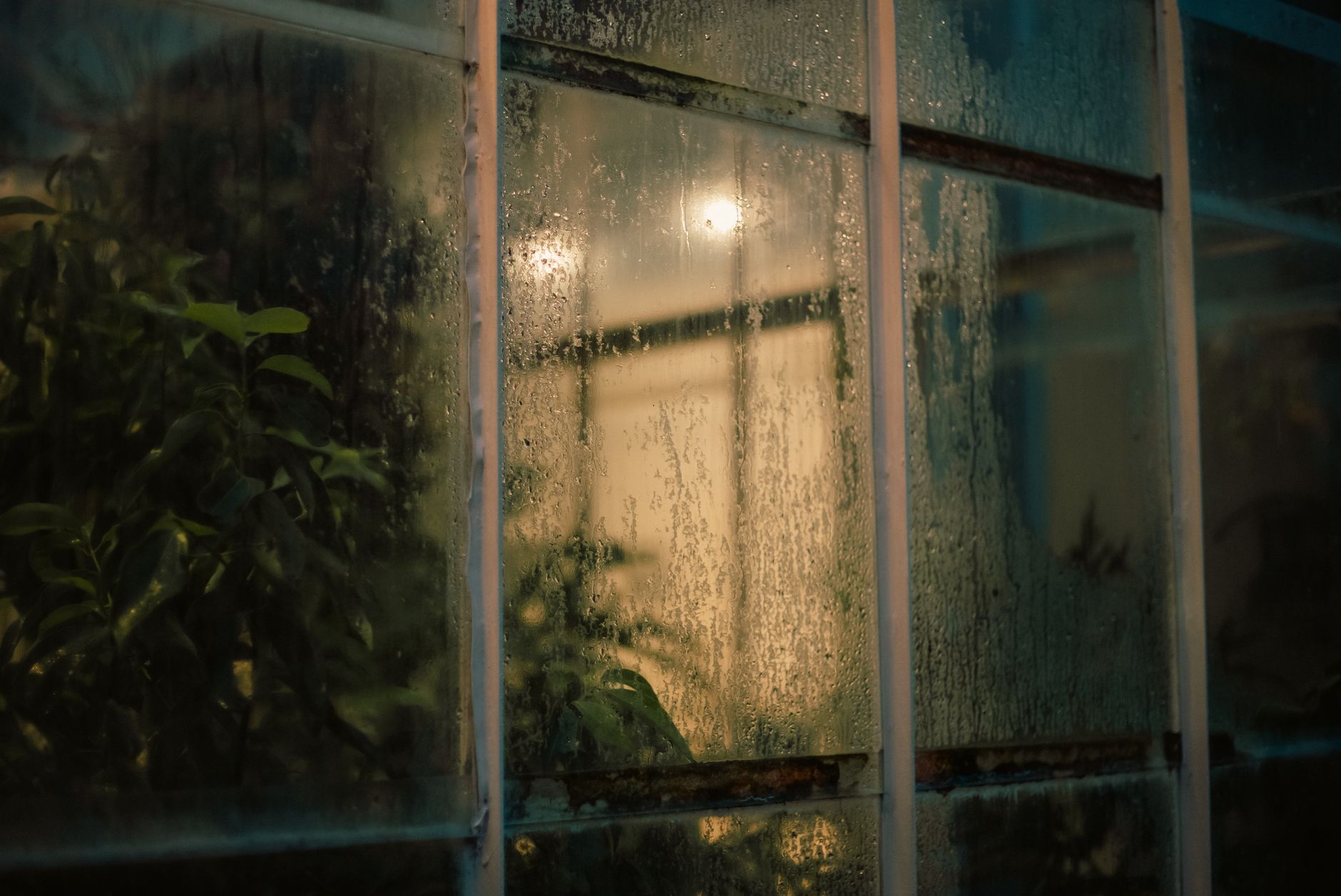
Once growers understood the mechanism, they figured out how to hijack it — and this is the part that sounds like a trade secret because it basically is one. Commercial mum and poinsettia growers control flowering with blackout cloth: heavy curtains drawn over the greenhouse each afternoon to artificially create a long, uninterrupted night, then pulled back in the morning. By precisely timing how many weeks of “fake long nights” a crop receives, growers can have chrysanthemums blooming on demand nearly any month of the year, and poinsettias hitting exactly the right color and bract development to land on store shelves for Christmas. The plant genuinely believes it is autumn, because as far as its phytochrome is concerned, it is.
💡 What This Means for Your Own Garden
A couple of practical takeaways if you grow photoperiod-sensitive flowers at home. First, patience: if a short-day variety seems to be taking forever to bloom during the longest days of summer, it is not doing anything wrong — it is simply waiting for its night-length trigger, the same way it does every year. Second, light pollution matters more than people think. A porch light, a security floodlight, or even a bright streetlamp can interrupt the dark period enough to delay or disrupt flowering in a sensitive plant, the exact same way researchers first discovered it a century ago. If a photoperiod-sensitive plant in your yard seems oddly reluctant to bloom, take a look at what is lighting it up at 2 a.m.
So the next time your dahlias suddenly go from modest to absurd sometime in late summer, you will know it is not luck, and it is not the weather. It is a plant quietly counting the dark, right on schedule — and we would love to help you put the results on your table.