
It usually happens the same way. You are in the middle of an ordinary afternoon, you glance at the date, and your stomach drops: the birthday was yesterday, or the anniversary was last week, or Mother’s Day is tomorrow and you have not done a thing. If that is you right now, take a breath. Nearly everyone who has ever cared about more than a few people has forgotten something, and a late bouquet is one of the easiest ways to fix it.
This guide covers three things: why we forget, what to do when it has already happened, and a small, realistic system so it does not happen again.
🧠 Why Good People Forget
Forgetting a date is rarely a sign that you do not care. Psychologists call the ability to remember to do something later “prospective memory,” and it works differently from remembering something you already know. It is about remembering when to act, not what the information is. You can know exactly when your sister’s birthday is and still miss the moment to do something about it, because nothing in the day prompted you.
The research points to a simple fix: external cues work better than trying to hold the date in your head. In one well-known set of experiments, people did better at remembering to act when a specific event prompted them than when they had to notice the time on their own. In other words, a reminder that shows up at the right moment beats good intentions every time.
A second finding is just as useful. Psychologist Peter Gollwitzer’s work on “implementation intentions” shows that people follow through more often when they turn a wish into a specific if-then plan. “I should send flowers more often” fades. “When I get the reminder on Friday, I will order a bouquet before lunch” sticks. We will build that into the system below.
🚨 You Missed It: What to Do Right Now
Here is the rescue plan, in order.
- Send something anyway, and send it soon. Late flowers still land. A belated bouquet shows the person that they stayed on your mind after the date passed, which is a kind of proof the original date never could be.
- Own it in one sentence. Do not write a paragraph of excuses. A short, warm admission is better than a long apology, because the card should be about them, not about your schedule.
- Pick the flowers for the person, not for the guilt. Do not buy the biggest arrangement in a panic. Choose what they actually like. A modest bouquet that fits them beats an enormous one that feels like an apology payment.
- Add something small if the miss was big. For a major date like an anniversary, flowers plus a handwritten note or a plan for a dinner this week says more than an expensive arrangement alone.
- Choose a delivery date you can stand behind. You can pick the date at checkout, so make it the earliest one that works for the recipient, such as a day they will be home or at work to enjoy them.
For ideas on picking something that suits the person, our bouquets and arrangements are a good starting point, and our page of flowers and gifts under $50 has plenty of options that do not need a big budget.
📝 What to Write on a Belated Card
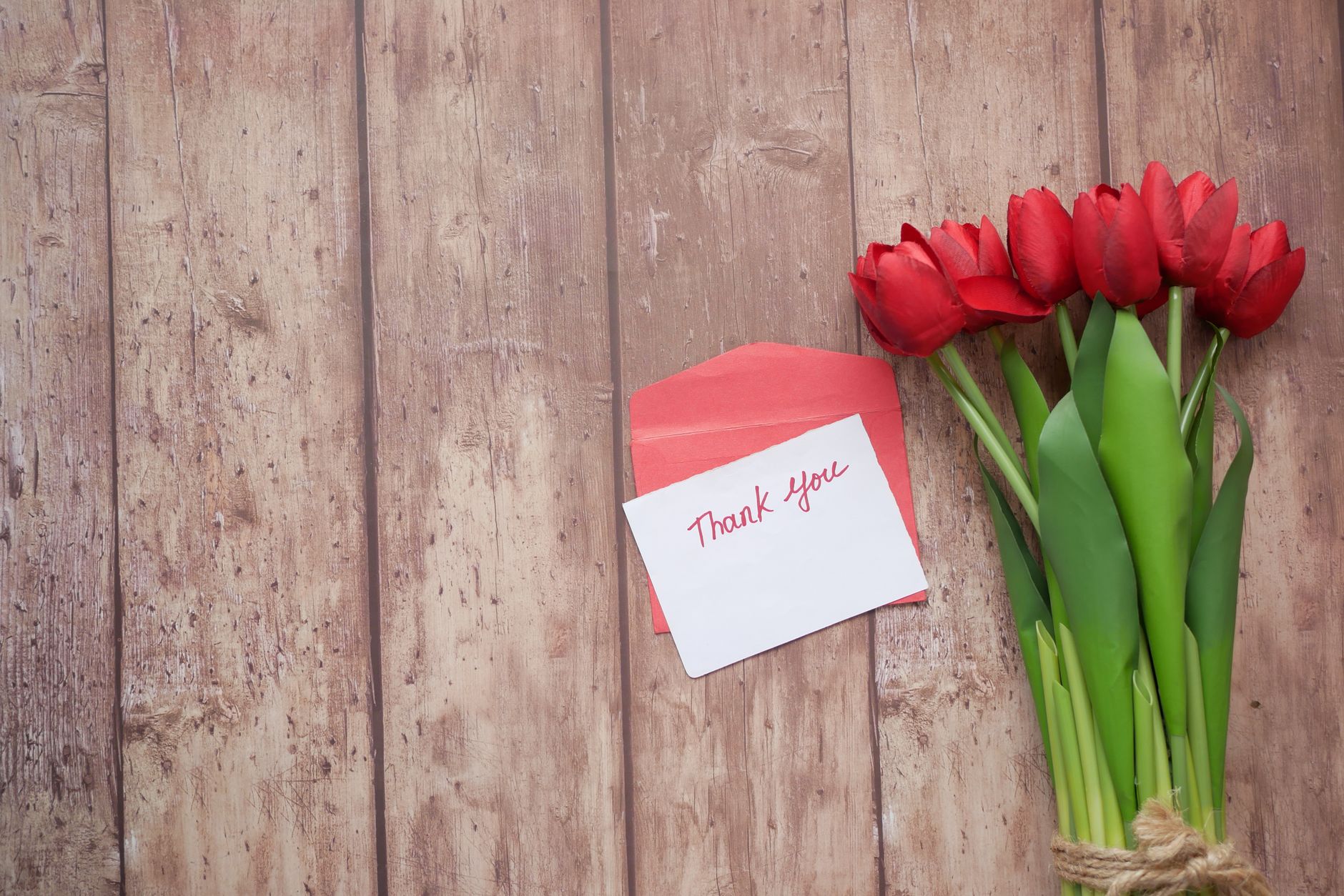
The card is where most people freeze, so here are sentences you can borrow and adjust. Keep it short, and say the person’s name.
- Birthday: “Happy belated birthday, Mom. I am sorry I am late. I hope your day was wonderful, and I am looking forward to celebrating with you.”
- Anniversary: “I missed the date, but not the reason for it. Happy anniversary. Dinner is on me this week.”
- Holiday: “I know I am late, but I did not want the season to end without telling you how much you mean to me.”
- Congratulations: “I should have said this sooner. Congratulations. I am so proud of you.”
- Friend you lost touch with: “I have been thinking about you and I let too much time go by. These are a little late, and they are meant with love.”
Avoid “I forgot” as the first words if you can. Lead with the feeling and mention the lateness second. If you are not sure the person will find it funny, skip the jokes.
📅 The Dates Worth Putting in Your Calendar
Most missed flowers come from the same short list of dates. Add each one to a calendar as a repeating yearly event today, while you are thinking about it:
- Birthdays of immediate family, close friends and anyone you would hate to forget
- Your anniversary and, if relevant, your parents’ anniversary
- Valentine’s Day, on February 14
- Mother’s Day, the second Sunday in May
- Father’s Day, the third Sunday in June
- Thanksgiving, the fourth Thursday in November, and Christmas, on December 25, if you give host gifts or send greetings
- Dates that matter to someone else: a graduation, a new job start date, the anniversary of a loss that a friend or relative would appreciate being remembered on
Remembering the hard dates is the kind of thing people never forget about you, and it is worth more than the best arrangement on a birthday.
🔔 A Reminder System That Actually Works
Here is the practical part. You do not need an app, and you do not need to be organized by nature.
- Use the calendar you already look at. Phone calendar, work calendar, whichever one you open every day. Create the event for the date itself and make it repeat every year.
- Set two alerts, not one. The first should come about a week ahead, when there is still time to choose and order without stress. The second can come a few days before, as a backup.
- Write the plan into the event. This is the if-then idea in practice. In the event notes, write what you will do and what they like: “Order roses for Dana. She likes yellow. Card: ‘Happy birthday!’” When the alert goes off, the decision is already made.
- Use the contact card. Most phones let you add a birthday to a contact. That single step gives you a built-in reminder for every person you add.
- Order the next one while you are already ordering. If you are placing an order for one occasion and you know another is coming, handle both at once.
- Pick a standing day. Some people choose the first Sunday of the month to look ahead at the next four weeks of dates. It takes five minutes and catches almost everything.
If you would rather not think about dates at all, ordering ahead is the most reliable option. You choose the delivery date at checkout, so when the calendar lets you pick a date weeks out, a future obligation becomes something already done. For the gift itself, keep a short list of each person’s favorite flower or color so your future self does not have to guess.
🌷 The Best Way Never to Be Late: Send Flowers for No Reason
There is a bonus to all this. If the dates are what you are afraid of missing, the best answer may be to send flowers on a day that is not a date at all. A bouquet on an ordinary Tuesday cannot be late, because nobody is expecting it. We wrote about that in the art of the surprise delivery, and it takes the pressure off. When you send flowers whenever you think of someone, you stop relying on your memory for the big days, and the people you love stop relying on the calendar to know they matter.
A few more reading ideas: reasons to send flowers, romance without going broke and our tips for keeping cut flowers fresh once the bouquet arrives. If you want to thank someone rather than celebrate them, our thank-you and congratulations flowers page is a good place to look.
❓ Quick Questions
Is it okay to send flowers late?
Yes. Late flowers are welcome. Say so in one short sentence on the card and send them as soon as you can.
What should I say on a belated card?
Lead with the feeling, mention the lateness second, and keep it to two or three sentences. Use the person’s name.
How far ahead should I set a reminder?
About a week before, with a second alert a few days before. That leaves time to choose flowers and pick a delivery date.
What if I missed a really important date?
Send flowers and add something personal: a handwritten note, a phone call or a plan for time together. The flowers open the door, and the effort that follows is what counts.
Can I order flowers ahead of time for an upcoming date?
Yes. You choose your delivery date when you order, so ordering as soon as your reminder goes off is the easiest way to be sure a date is covered.